 ES
ES NL
NL EN
EN FR
FR PTPT
PTPT
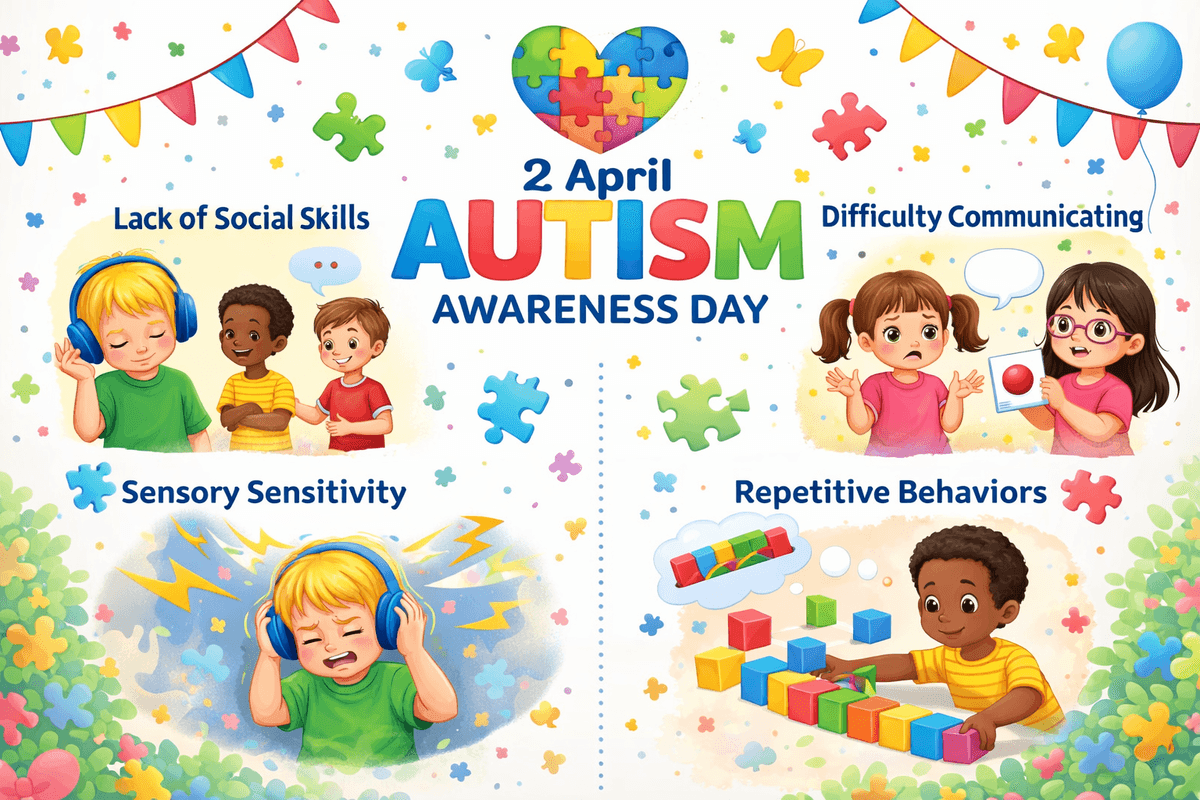
🌍 Autism Awareness Day – April 2
Autism Spectrum Disorder (ASD) is a neurodevelopmental condition that affects communication, social interaction, and behavior. It is called a “spectrum” because it presents differently in each individual, with a wide range of strengths and challenges. Autism is influenced by a combination of genetic, environmental, and biological factors.
April 2nd – World Autism Awareness Day – is dedicated to increasing understanding, promoting inclusion, and supporting individuals with autism and their families worldwide. It is an opportunity to highlight the importance of early diagnosis, personalized care, and a better recognition of the diverse needs of people on the spectrum.
🧠 Beyond Behavior: Biological Mechanisms in ASD
Many children with autism face hidden challenges, such as nutritional deficiencies, metabolic issues, and developmental barriers, that may not be visible but can have a profound impact on growth, learning, and daily life.
One such mechanism involves folate metabolism in the brain. Folate (vitamin B9) is essential for:
- Brain development
- DNA synthesis and repair
- Neurotransmitter production
In some children with autism, folate receptor autoantibodies (FRAAs) can block folate transport to the brain, leading to cerebral folate deficiency despite normal blood levels. A significant proportion of children with ASD may be affected, particularly those with developmental regression.
👉The FRAT® test helps identify this subgroup, enabling a more targeted approach to care. In those who are FRAA-positive, leucovorin (folinic acid) can bypass the blockage and has been associated with improvements in communication, cognition, and behavior.
🔗 Learn more: https://autism.fratnow.com/blog/category/autism/